|
How to Support your Child at Home |
“Every moment at home is a chance to learn, grow, and explore together.”
At Stanton Bridge Primary School, we believe that learning doesn’t stop when the school day ends. Families play a vital role in their child’s educational journey. Here are some practical tips and activities to help you support your child’s learning at home:
|
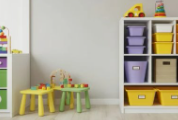
Create a Learning-Friendly Environment
.png) Dedicated Space: Set up a quiet, comfortable area for your child to read, draw, and complete school activities. Dedicated Space: Set up a quiet, comfortable area for your child to read, draw, and complete school activities.
Helpful Materials: Keep age-appropriate books, crayons, paper, puzzles, and toys nearby to encourage creativity and curiosity.
|
 |
|
Encourage a Love of Reading
Read Together Daily: Spend time reading with your child each day to help grow their vocabulary and imagination.
Visit the Library: Enjoy regular library visits and let your child choose their own books.
Storytime Routine: Make bedtime stories part of your routine - it’s a calming way to end the day and build language skills.
|
.png) |
|
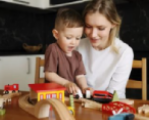
Make Learning Fun Through Play
Learning Games: Try games and puzzles that build counting, letter recognition, and problem-solving skills.
Imaginative Play: Support role-playing activities using toy kitchens, shops, or costumes - great for language and social development.
Outdoor Exploration: Nature walks, garden time, or trips to the park are full of learning opportunities - ask questions, collect leaves,
or spot wildlife together!
|
 |
|
Practise Everyday Maths
Count Together: Count toys, stairs, snacks—anything around the house!
Sort It Out: Group objects by colour, size, or shape to build sorting and thinking skills.
Cook & Measure: Involve your child in cooking. Measuring ingredients and following recipes introduces numbers, quantities, and sequencing.
|
 |
|
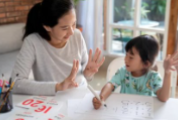
Develop Early Writing Skills
Draw & Colour: Give your child lots of chances to be creative with crayons and pens.
Make Writing Fun: Write short notes, make shopping lists, or draw signs for pretend shops.
Label the World: Use sticky notes to label objects at home - this builds word recognition in a playful way. child recognise words and
their meanings.
|
 |
|
Keep a Consistent Routine
Create a Balanced Day: Make time for learning, creative play, exercise, meals, and rest.
Be Flexible but Steady: A regular rhythm helps your child feel secure and ready to learn.
|
 |
|
Work in Partnership with School
Stay Connected: Talk regularly with your child’s teacher to understand how best to help at home.
Share Progress: Let teachers know what your child is enjoying or struggling with so we can work together to support them.
|
 |